

May 13-16: A great museum and a great campground
The Henry Ford has four main sections: The Greenfield Village, The Museum of Innovation, The Giant Screen Experience and The Ford Rouge Factory tour. We chose to explore the first two. It’s sad to miss the other two, but a person can only do so much!
This museum has lots of cool stuff to see. On it’s face, it is an interesting collection of Americana. To me, it is more of an insight into one of America’s greatest minds. Mr. Ford had some unsettling social views, for example he was anti-semitic and actually liked Hitler (before Hitler showed his true colors). But oh, what an interesting mind! I’m not sure he set out to create a museum but to collect things that fascinated him. Mr. Ford was intrigued by jewelry, watchmaking, glass and American craftsmanship. He wanted to affect education. He was a tremendous fan of Edison. He collected all things related to innovation and industry. He loved America, Lincoln, Railroads, and Agriculture (although he wasn’t interested in farming himself). The collections reflect his interests. He didn’t just collect things, he also collected buildings.
Our first day we toured the Greenfield Village and by the end of the day we were exhausted! There are rides in a Model T and that could make touring the Village a little more doable but we chose to travel the 80 acres on foot. There is so much to see! We skipped the farming section entirely as it took all day just to explore the American Crafts neighborhood, Main Street, Porches and Parlors, the Railroad Depot and Edison’s Menlo Park District.
Mr. Ford brought a jewelry store from Germany to Dearborn. It was three stories tall, which was too big for his village. So; he just cut it down to be a little smaller.
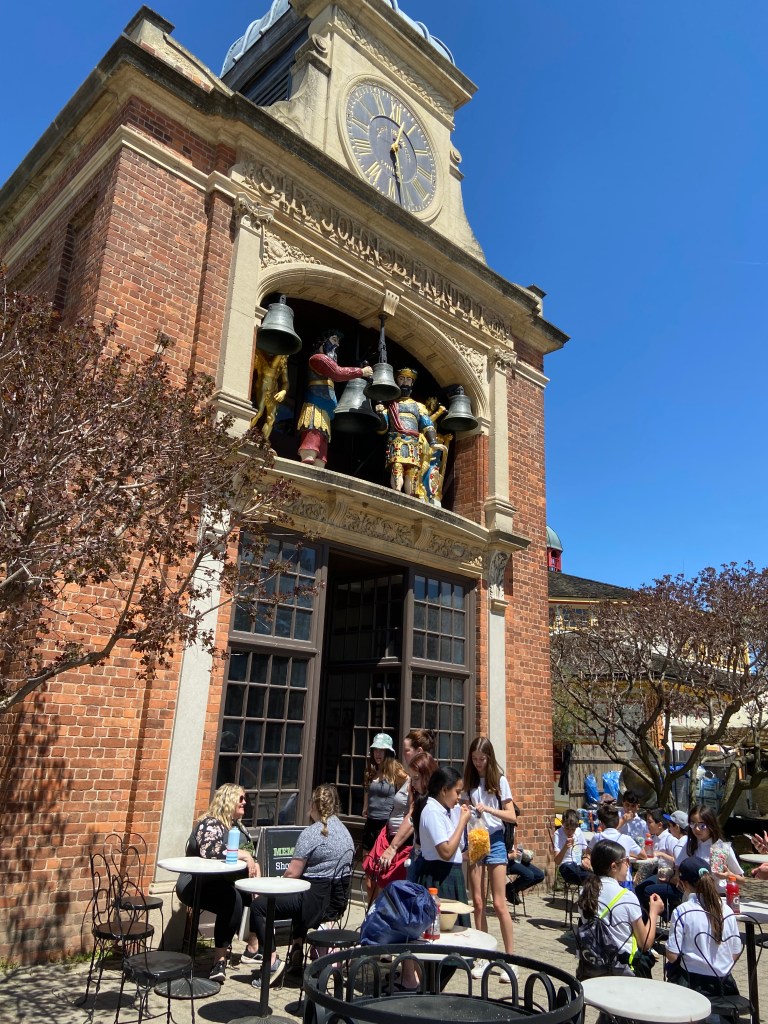
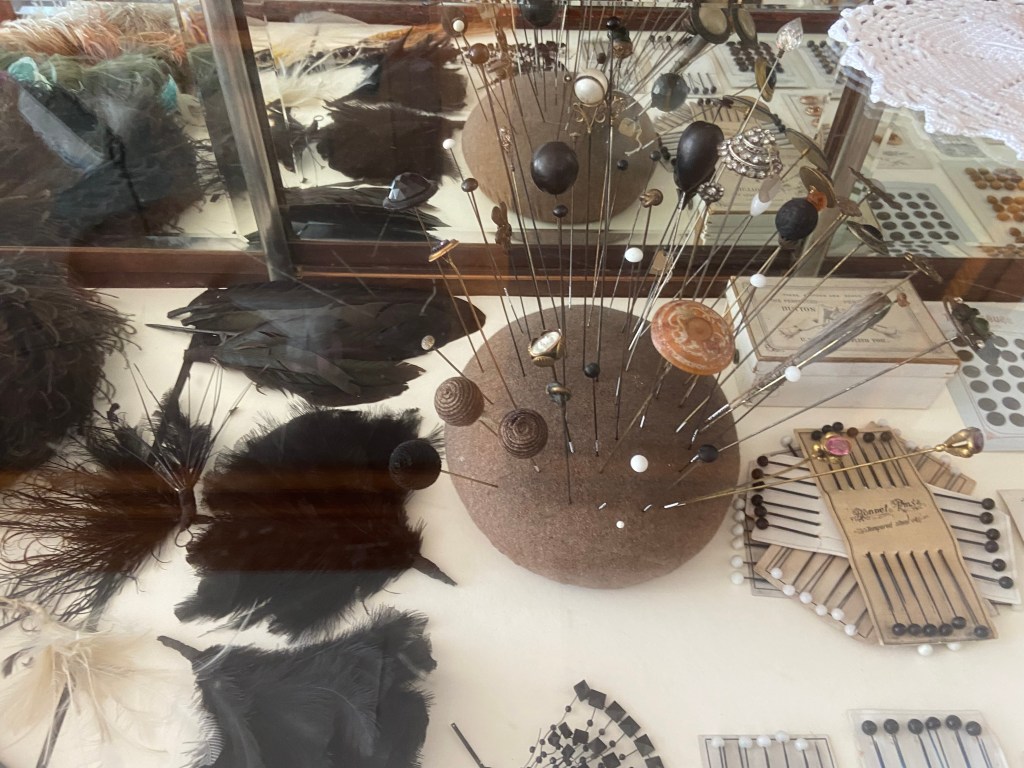
One of the stores Mr. Ford collected from a small town nearby. He thought it was historically a jewelry store, but it turns out he collected a hat shop! The museum curators have recreated the hat shop in the building. Pretty ironic…
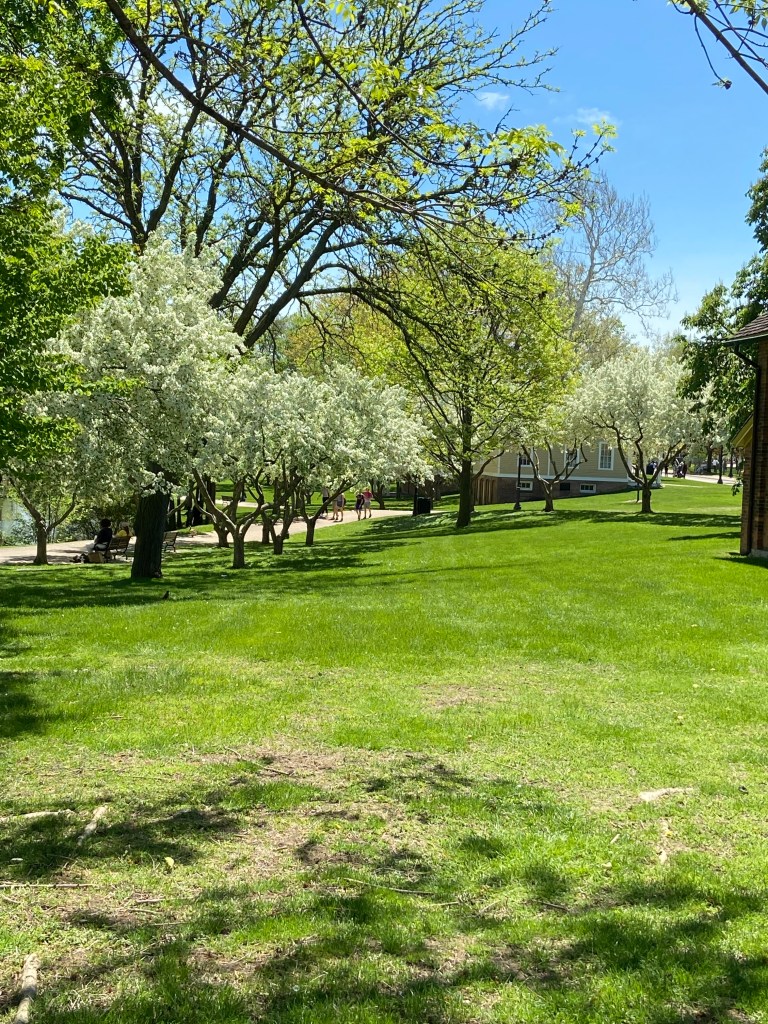
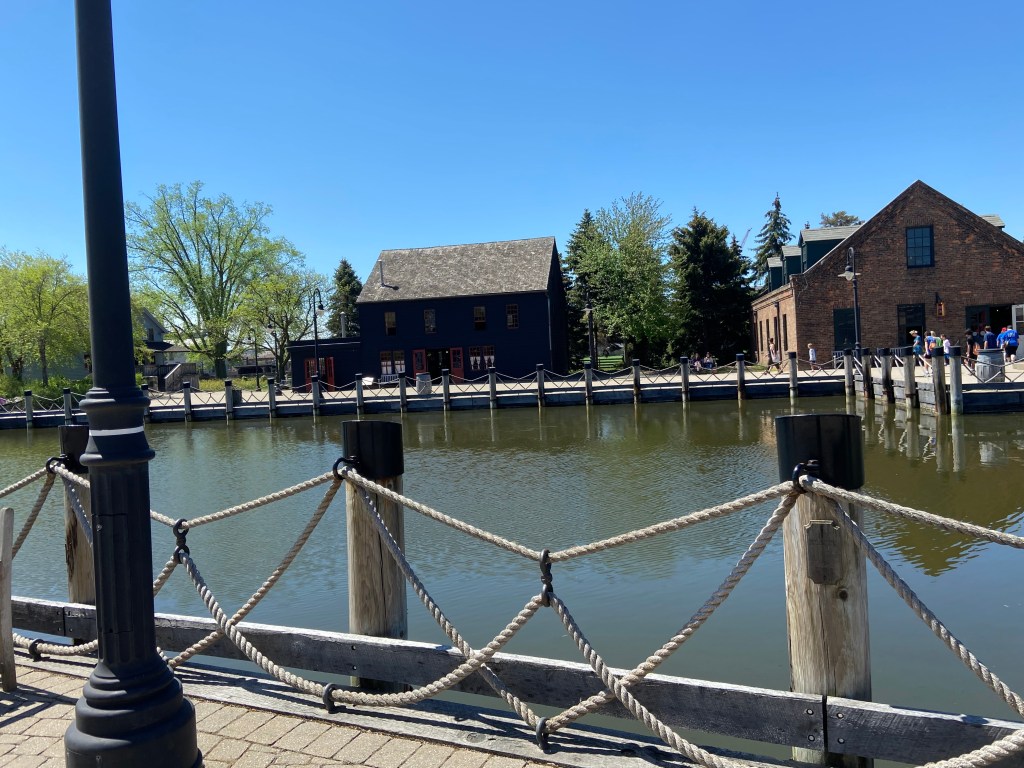

Ford moved several houses and other buildings to his Greenfield Village: Noah Webster’s house from Connecticut, a Courthouse where Lincoln argued cases, a typical farmhouse of the 1700’s, his parents’ farm, slave quarters, a cottage from England. In many of the buildings, interpreter’s were available to explain and tell the stories.
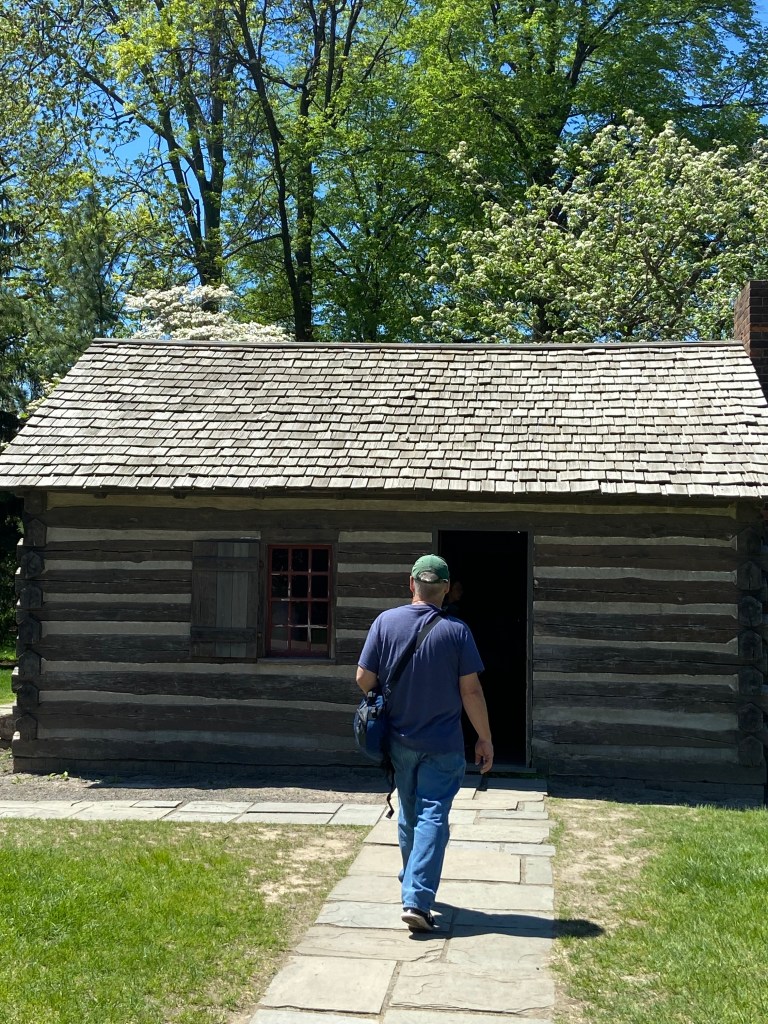
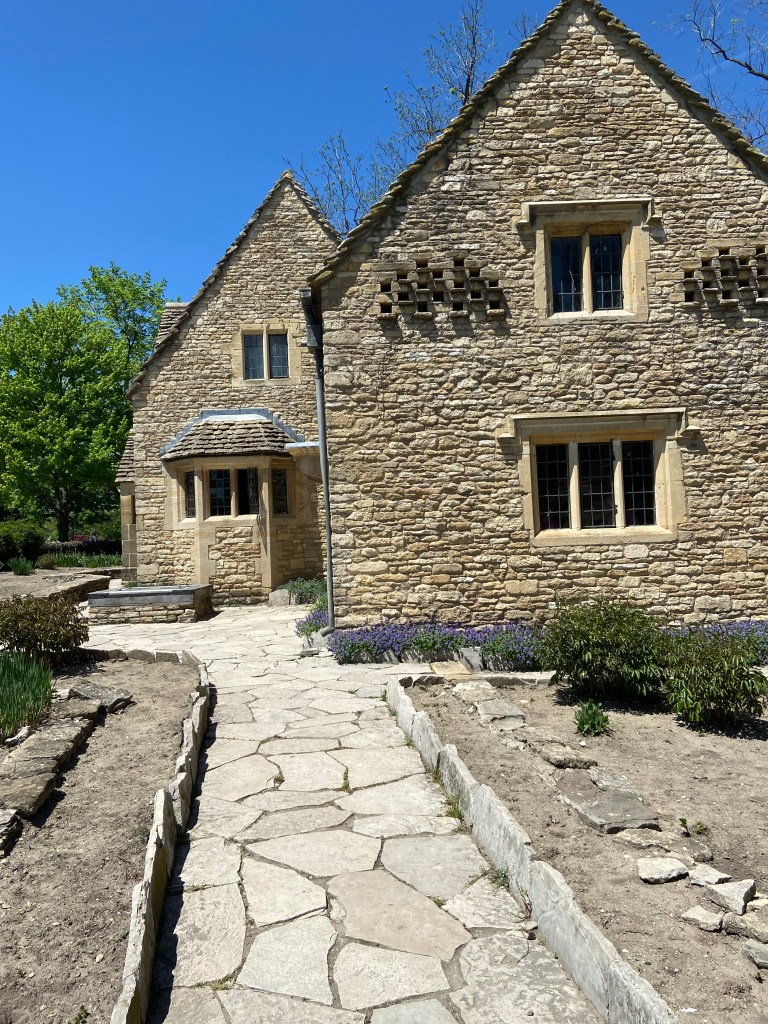
I enjoyed seeing Noah Webster’s home. Mr. Ford was very interested in education reform and Mr. Webster’s “Little Blue-back Speller” was basically the beginning of public education in America. Of course, Mr. Webster also wrote the 1828 Webster’s Dictionary which is one of my favorite books outside of the Bible.
Mr. Ford was certainly thorough. He admired and became friends with Edison. He wanted to preserve all things Edison, so he collected Edison’s home, the boarding house where his workers lived, the original Edison workshop, and most of the entire Menlo Park laboratory complex Edison set up after he became famous. Ford didn’t just collect the buildings, he also dug up the ground they were built on and imported the whole kit and caboodle to his Greenfield village.
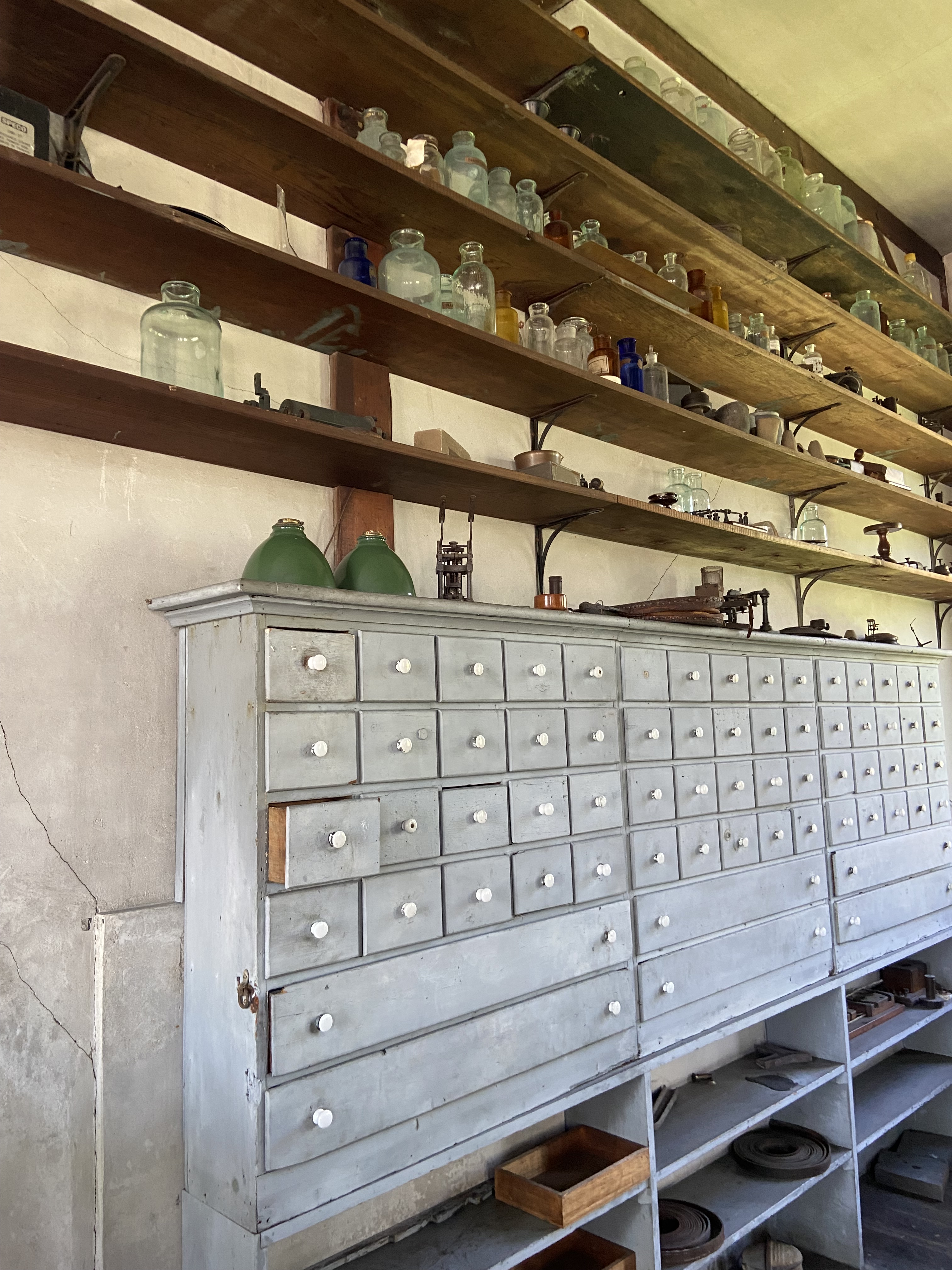
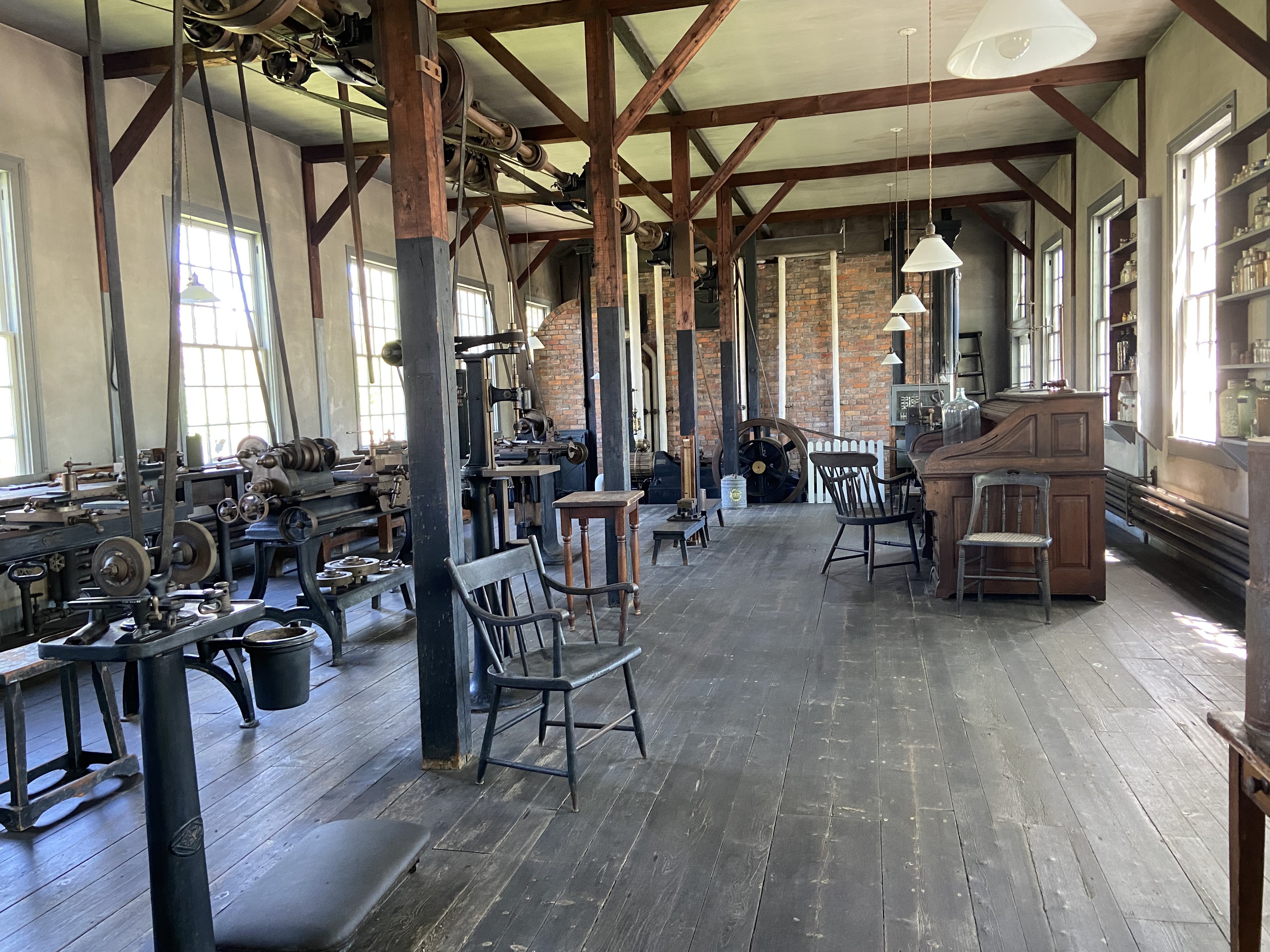
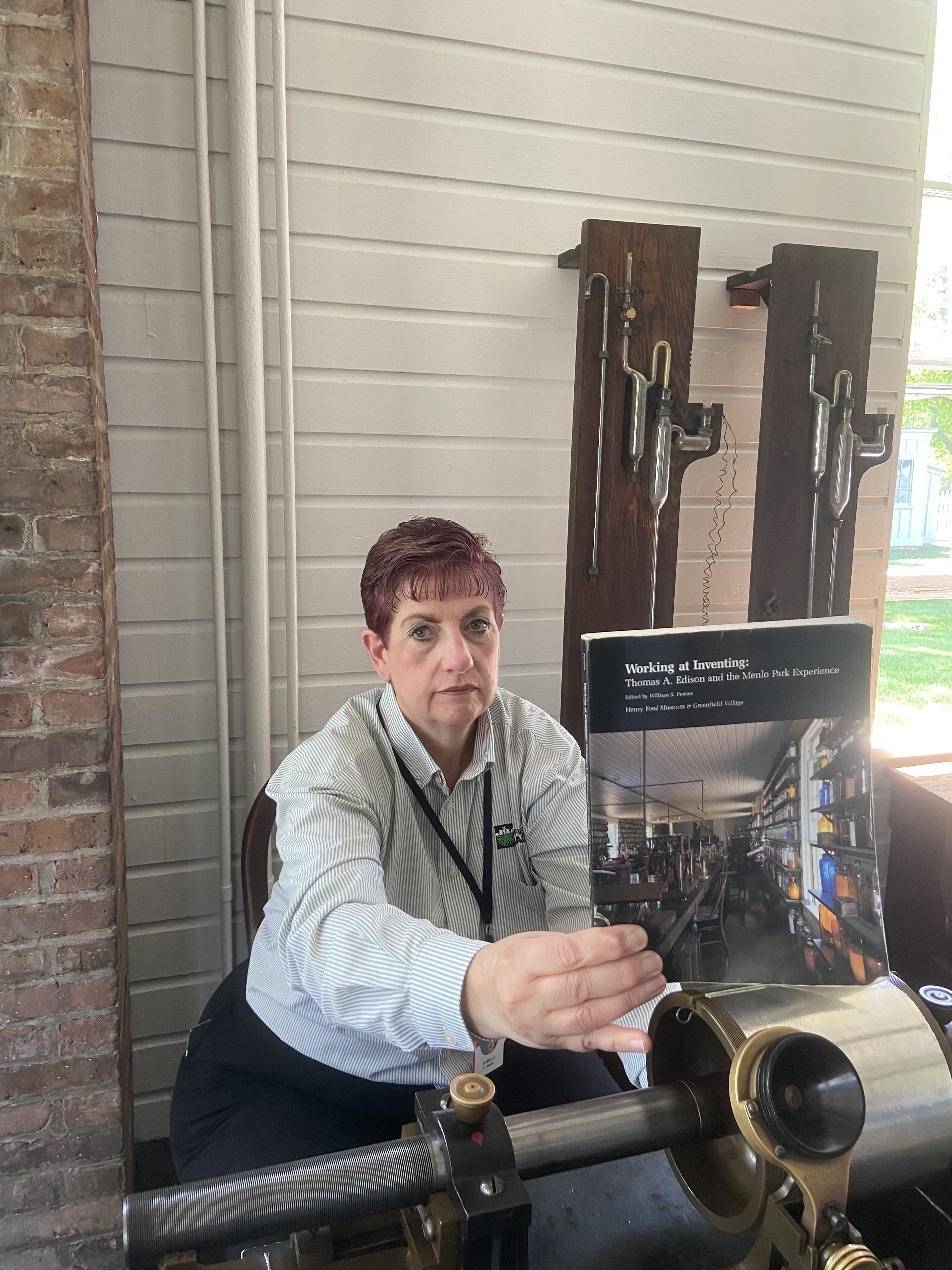
Although the lady in this photo doesn’t look too happy, I had a long visit with her and she is actually very nice and quite interesting. She was a student at Greenfield Village when Mr. Ford was still alive. The village was initially used as a school and the students met in the historic buildings on-site. At some point, the Village was open to the public while the students were in school. They would be learning about math or something while the tourists were looking into the windows! When Mr. Ford came to visit, the students all stood up while he gave them some inspiring message.
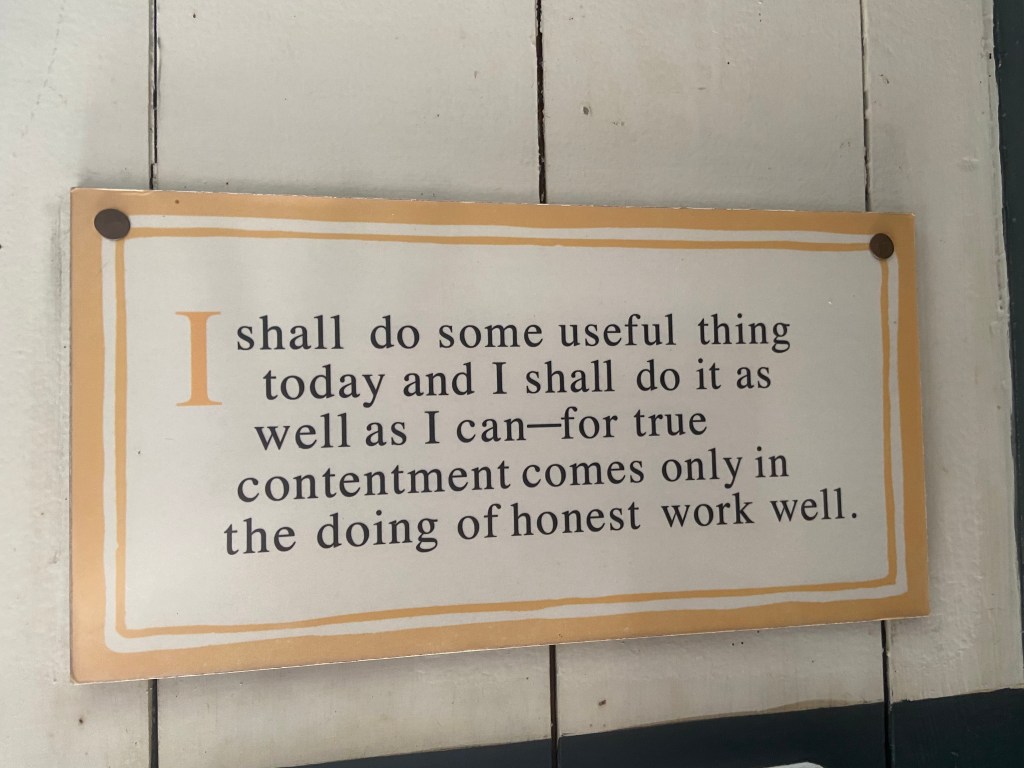
I liked this quote:
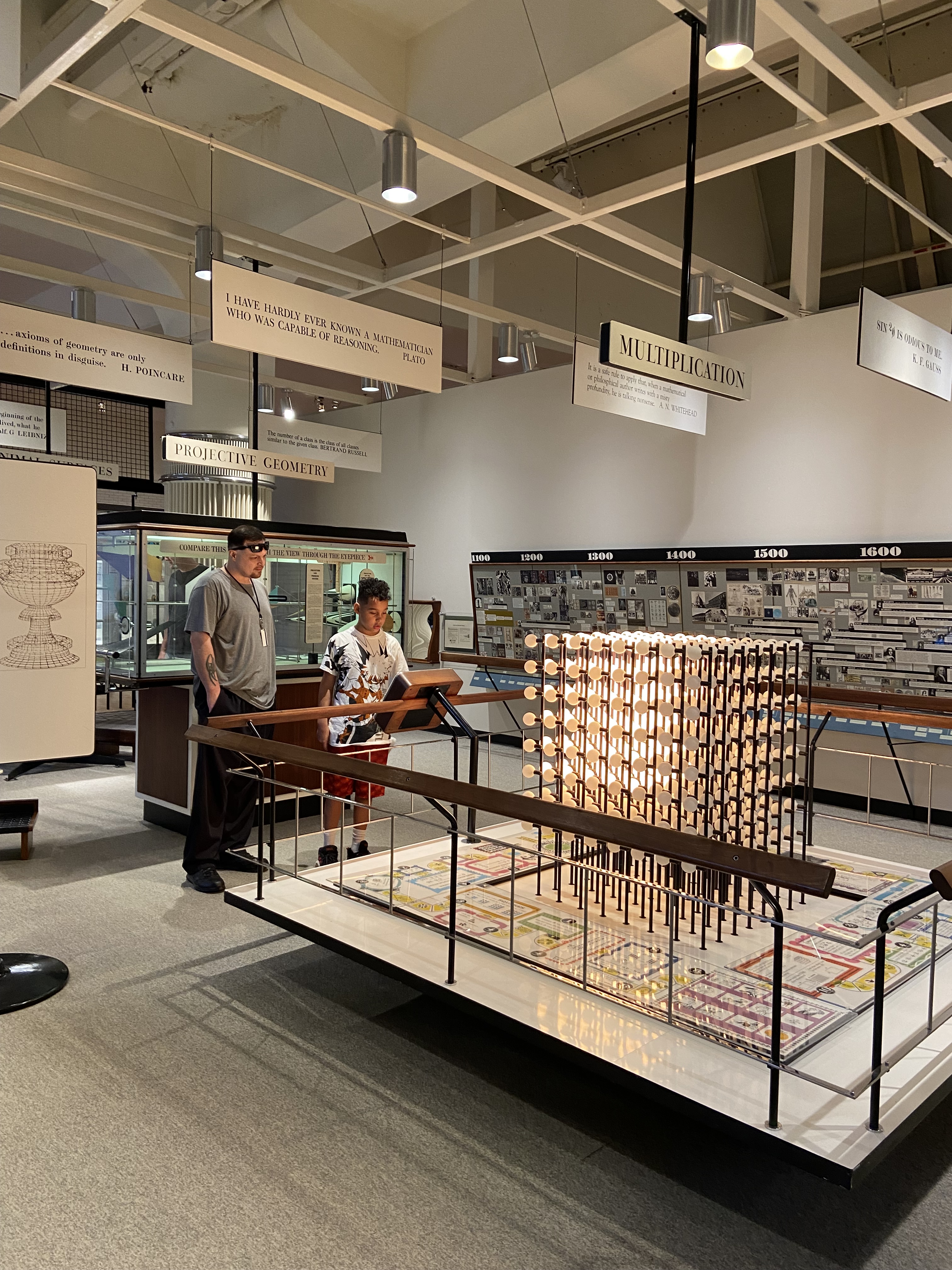
Our second day at The Henry Ford we visited the Innovation Museum – it is inside and we were purposely avoiding a rain storm. This first few pictures are for my sister. Hands on math is cool:

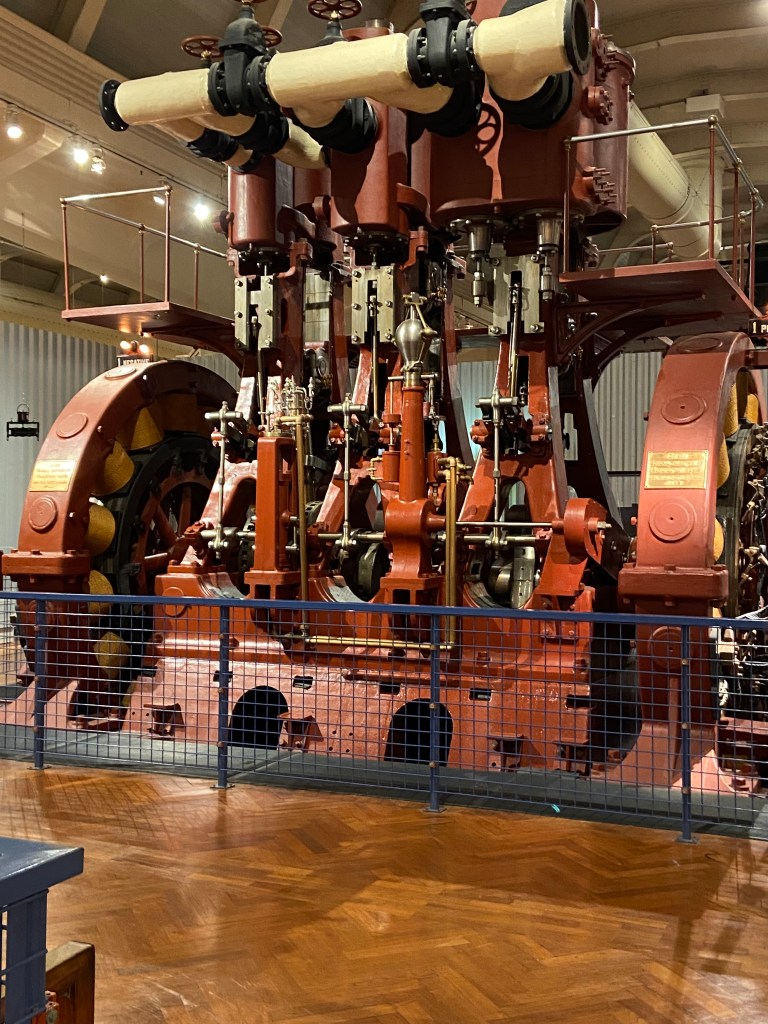
The industrial section was extensive. I liked this machine because it hails from Schenectady which is where my grandfather’s family settled:
There were lots of automobiles. This museum is not just Ford propaganda as it has as many autos from other manufacturers as Fords.

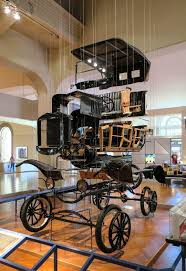
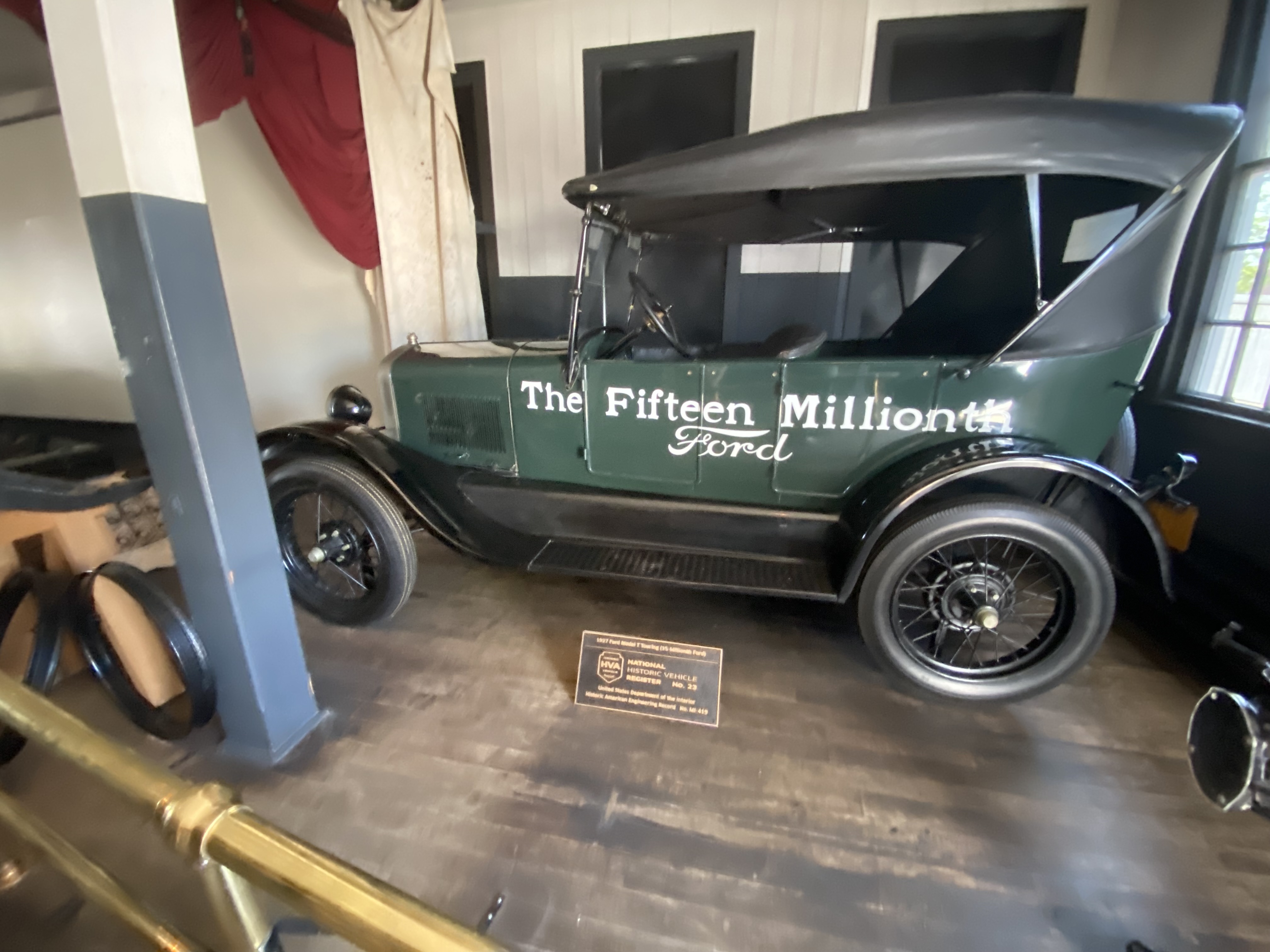
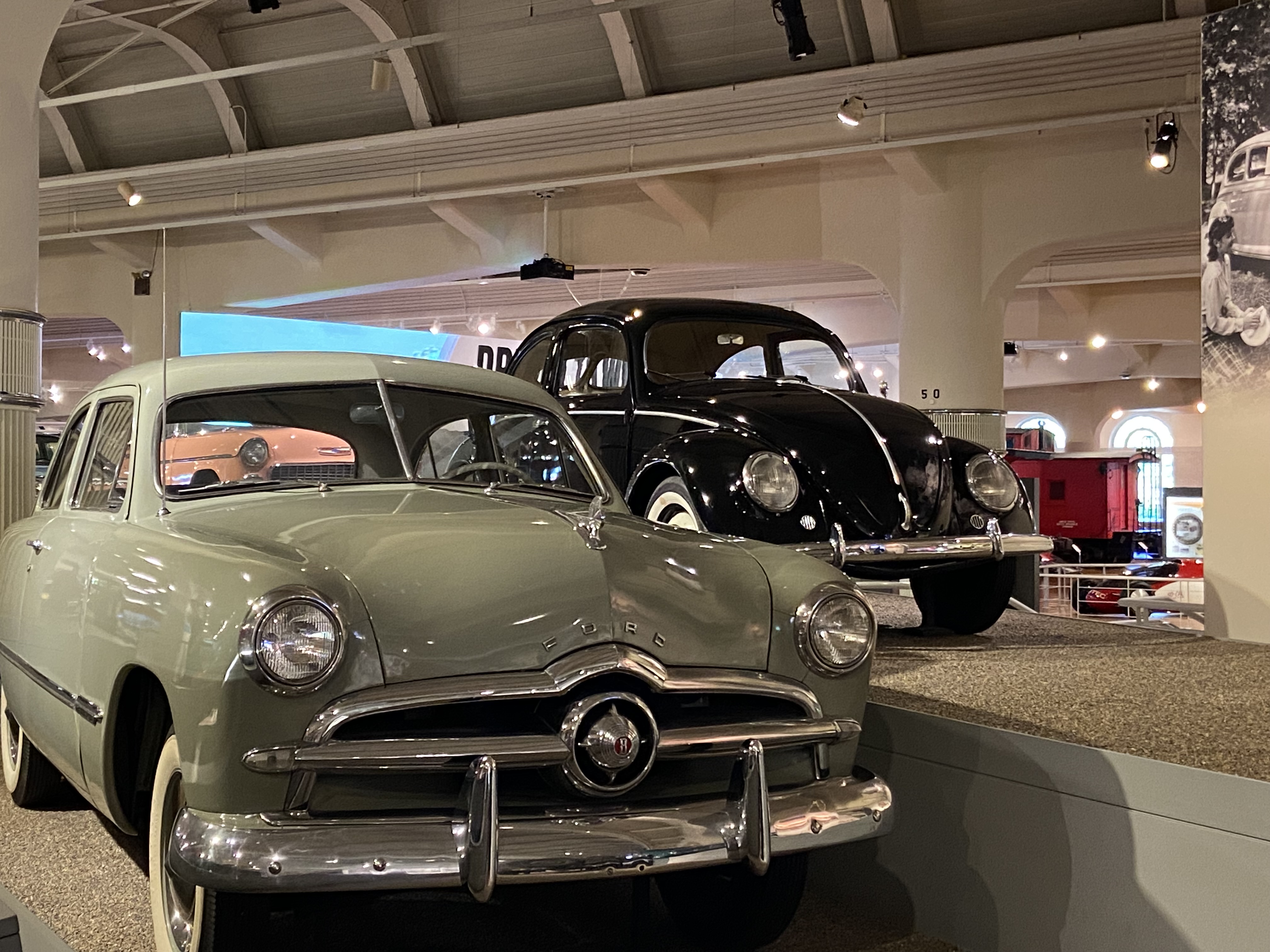
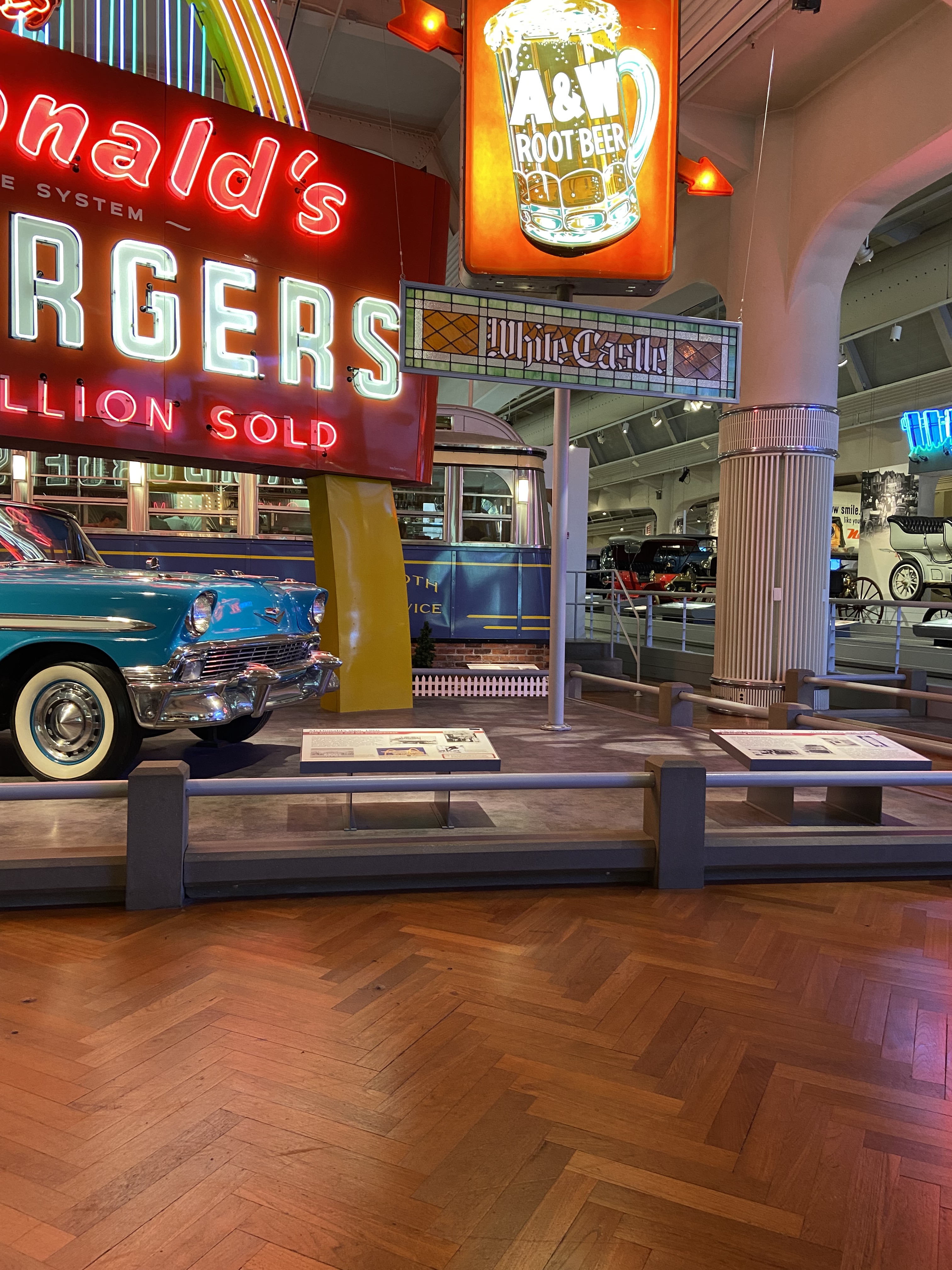
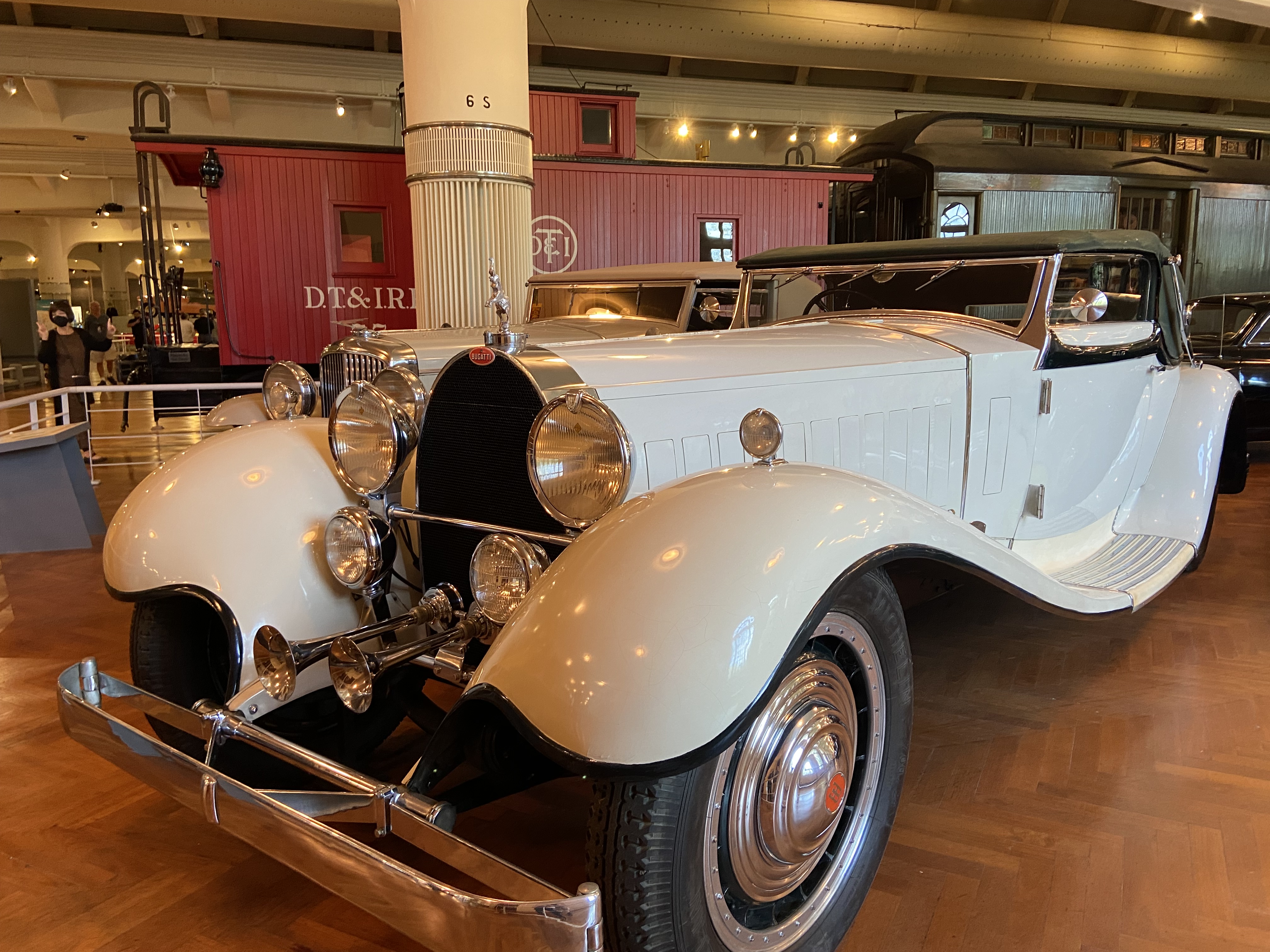
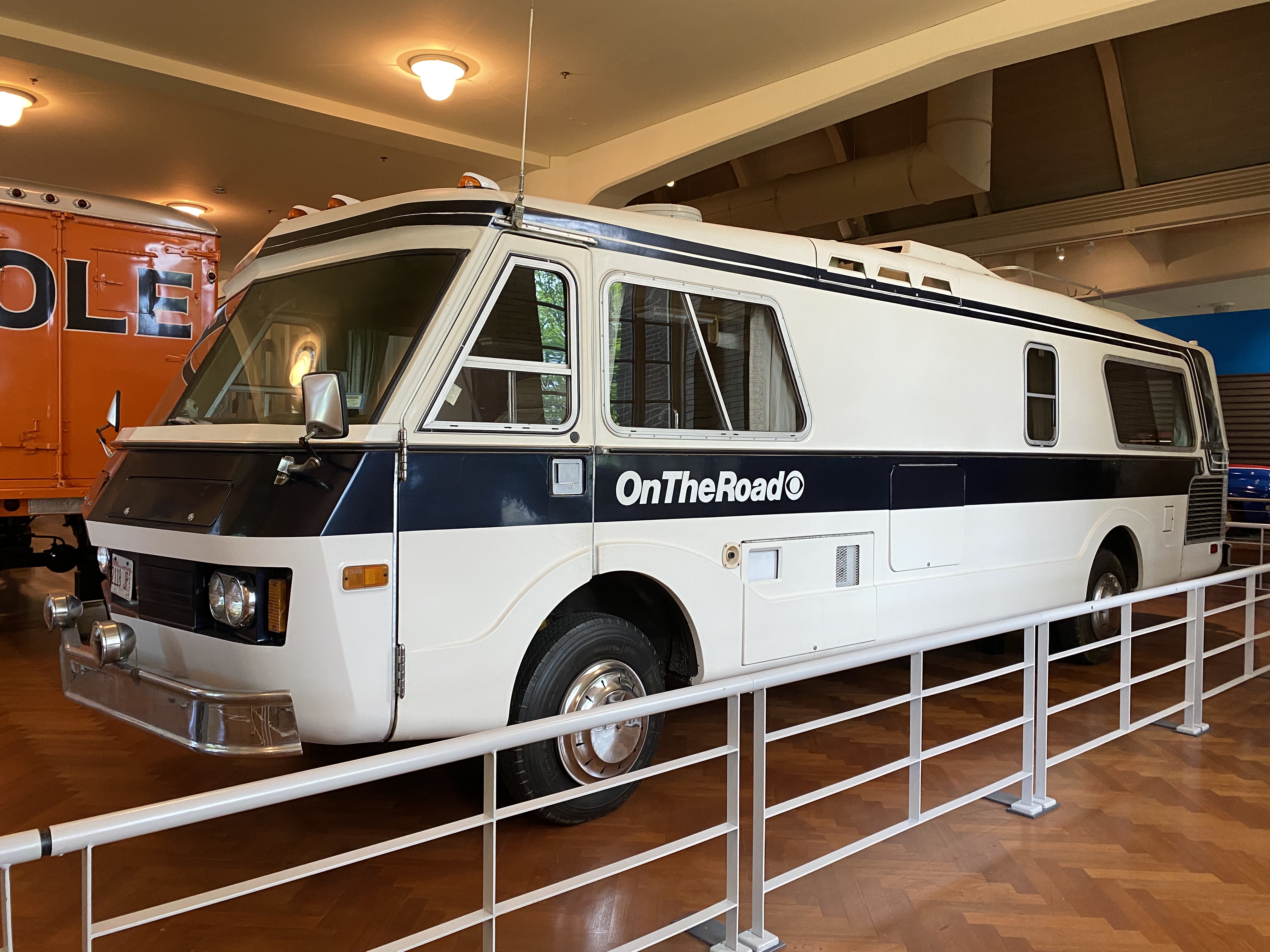
There were also guns, and furniture and an American liberty section. We got to see the chair Lincoln sat in when assassinated, the bus Rosa Parks used, a copy of Common Sense by Thomas Payne and a model house that someone in the 50’s thought would be the wave of the future (it was round and made of airplane components).
There were Presidential Cars. Of course I have to include a picture of Ted in front of President T. Roosevelt’s carriage:

While visiting the museum, we were staying as Sun Outdoors Kensington which is about 30 minutes from Dearborn. The campground is situated around 4 ponds with big fish.

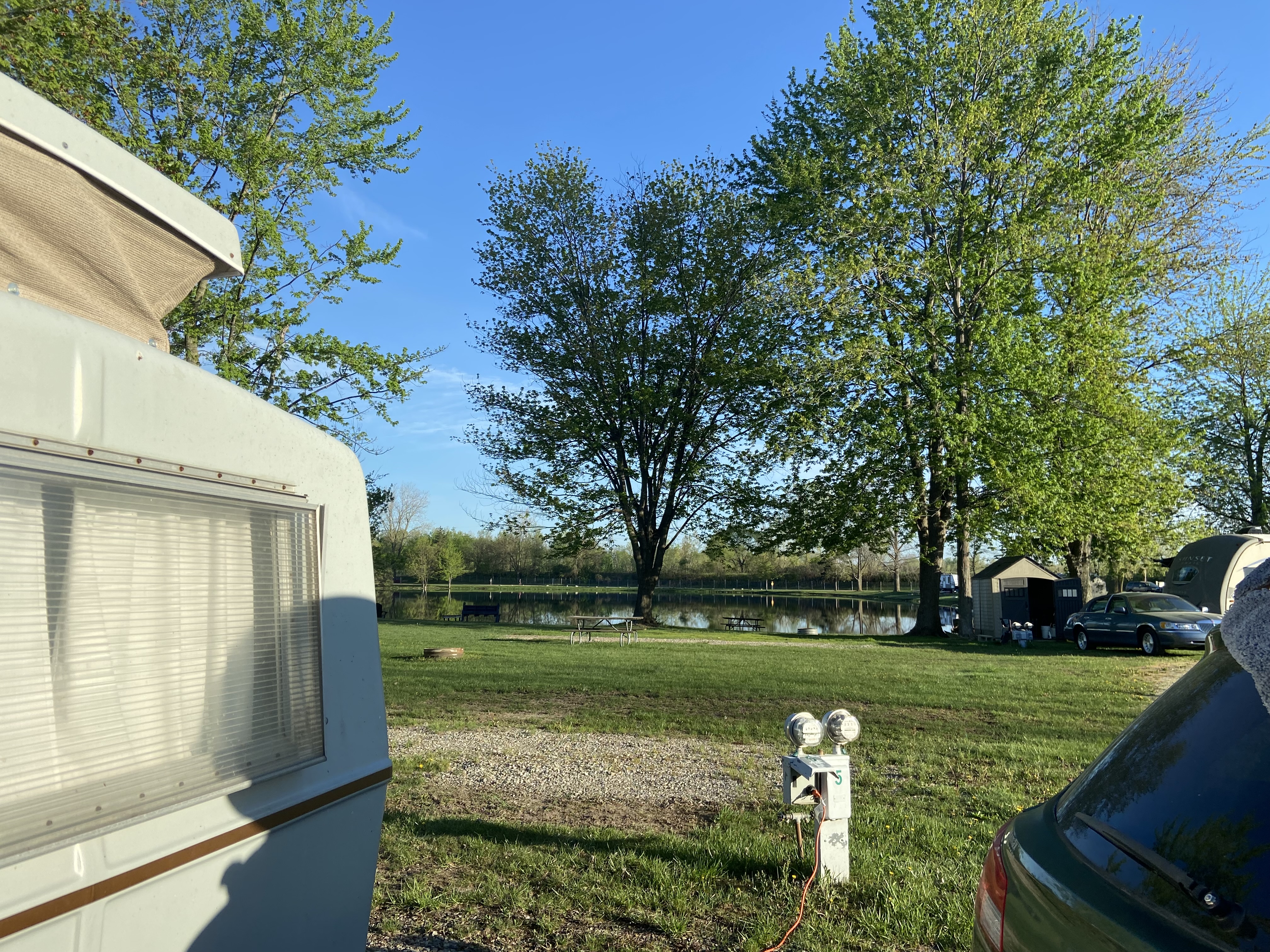
We were assigned the site next to us, but a killdeer was nesting there. She watched every move we made after we set up next to her. Ted caught a fish the first night and didn’t have a camera. Will he ever learn? Let’s see what I can create to reenact the event:

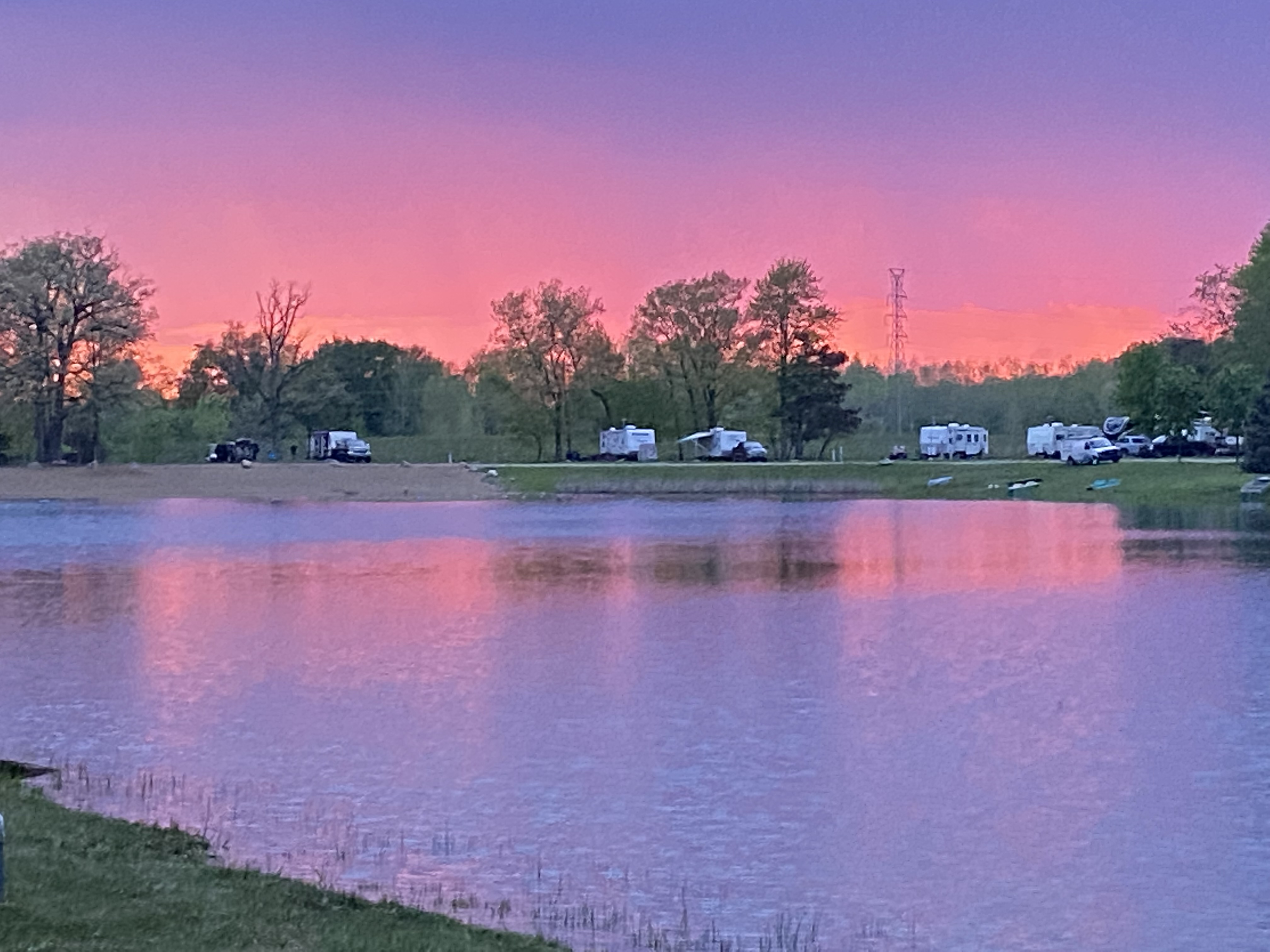
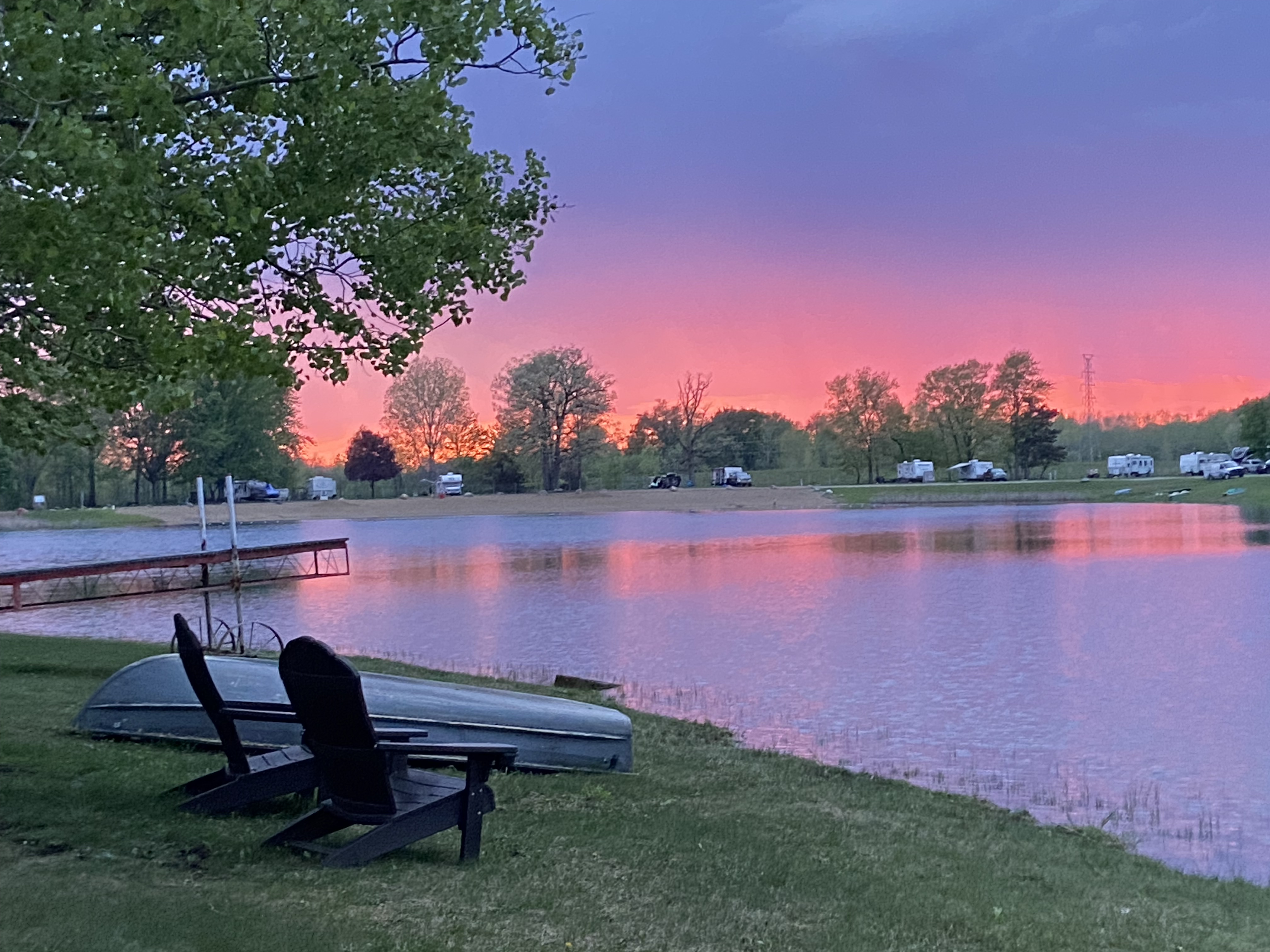

The sunsets were amazing!!
 Traveling-with-TLC
Leave a comment